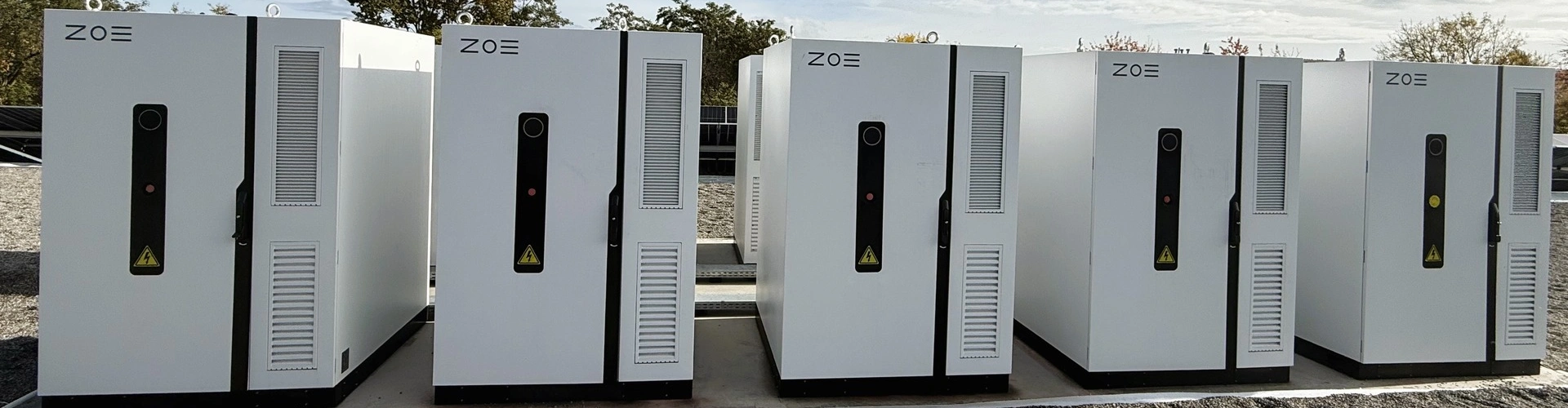
When electrical energy is produced from renewable sources (photovoltaic power plant, wind power plant, etc.), part of the electricity is not consumed by the facility where the renewable source is installed - the renewable source cannot store this electricity and must sell it at the price offered by the electricity buyer at that time. In most cases, this price is low, and on weekends it is often even negative.
The main advantage of battery storage is its accumulation capability, i.e., the ability to store electricity produced either from renewable sources (photovoltaic power plant, wind power plant, etc.) or from the grid and use it when it is most suitable for the facility.
A typical case is the weekend - we charge the battery storage with electricity from the renewable source when the electricity price is low, often even zero, and sell it on Monday morning at the peak price on the market, i.e., the highest price, or use it for the facility's consumption, which would otherwise pay this high price at that time. This also applies if the facility does not have a renewable source; the difference is that the battery storage is charged with grid electricity when the price is low, often even zero, and sold at the highest price during the morning and evening peak hours.
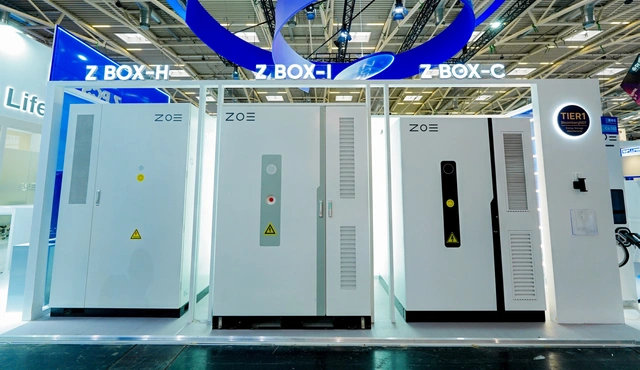
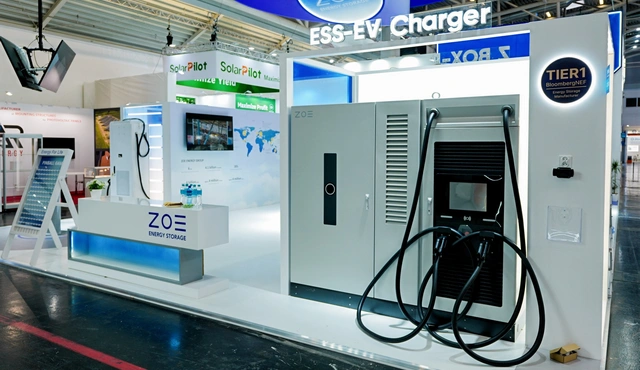
Another important benefit of battery storage is that it can provide electrical energy to the facility during a power outage – it acts as an immediate backup power source.
Last but not least, battery storage protects the facility from penalties and allows reducing the reserved capacity value – if the output of any technology exceeds the set and paid reserved capacity (RC), and the facility does not have battery storage, it will receive a penalty from the distribution company for exceeding the RC. If battery storage is present, it helps cover this excess output above the reserved capacity, so the facility does not pay a penalty. For many consumers, this allows reducing the reserved capacity, which they have set disproportionately high due to the risk of possible penalties, thus saving considerable monthly financial resources.


